Every fall semester I need to be “realistic” about my incoming grade 10 students. Where I teach high school begins at grade 10. At the end of grade 9, all students across the country take a massive standardized test and are admitted to different high schools based on their scores. The government is trying to push more young people away from college and into trades, which means lower-tier high schools are designed to actively prevent students from doing well on the grade 12 standardize test for college admissions. As a result, international schools where I work act as a safety valve for upper-middle class families with a child that did poorly on their high school entrance exam. They send their children to us because as an international school we are allowed to have lower admission standards and are not sending students to domestic colleges.
This background means that every year a large percentage of my incoming students will have never thought about studying abroad and as a result never took English class seriously. Every fall semester there are wide achievement gaps among our students based almost entirely on how many after-school English classes they had been enrolled in before coming to us; all our subjects are taught in English whether by foreign teachers like myself or domestic teachers.
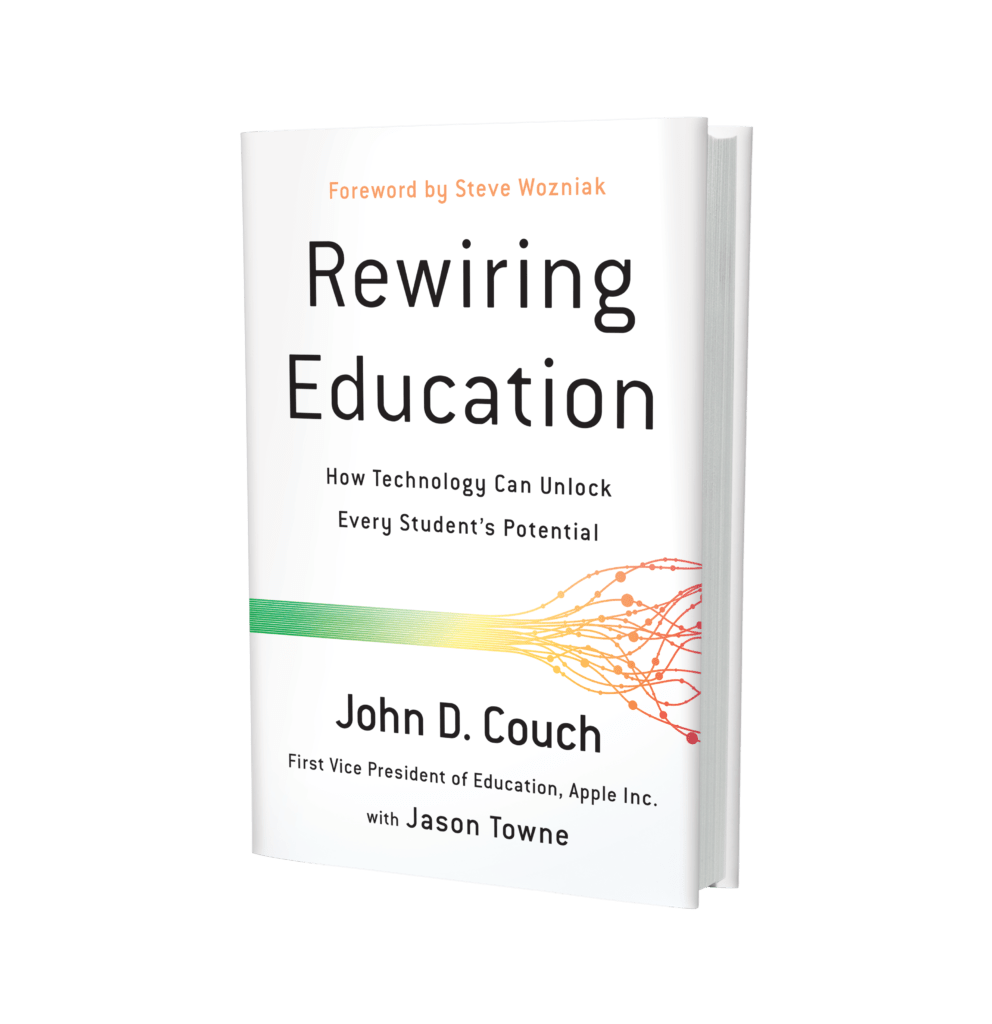
Being “realistic” for our students continues through grade 12. The real truth is all of our students will get into an American or British university because international students are important sources of revenue. We are asked to set expectations “relative to a child’s current abilities” Couch & Towne, 2018). I’ve adapted this by assessing my students in comparison with their own abilities and other classes that have come through our school instead of strict adherence to Cambridge’s guidelines. There is the risk that my students will struggle with the Cambridge exams in May since I have been more lenient throughout the school year. However, I think it is an acceptable risk if it prevents my students from feeling burnt out and demotivated from consistently low scores starting in September. Also as the English teacher, I need to help other subject teachers improve their English instruction so our students’ real abilities are obvious. Teaching physics to second language students requires different English use even though the material is the same. It is sad when a true math virtuoso does poorly because they struggle with English. It is not fair to the student or to the universities looking to recruited talented STEM students.


