I recently finished a course about integrating literacy into all subject areas. While the course focused on strategies for teaching reading and writing skills outside traditional language classes, I began to question literacy as a concept. To me, literate people can derive meaning and information from media. But what does literacy mean in 2024? AreContinue reading “What is 21st-century literacy?”
Tag Archives: edtech
Chapter 9: Global Citizenship

How do the roles and responsibilities of being a global digital citizen affect our decisions locally, nationally, and internationally? Digital citizenship has the paradoxical effect of allowing people to show their true selves to the world at the same time it provides many incentives for people to lie. Truthfully, as a digital citizen, you shouldContinue reading “Chapter 9: Global Citizenship”
Chapter 8: Virtual Communication in the Classroom
What are some other ways global virtual communication can be used as a classroom tool for learning? Virtual communication in education massively exploded during the COVID-19 pandemic. Schools were shut down and students were quarantined at home. During all this chaos, educators worked to stay on mission. I think the future of education will lookContinue reading “Chapter 8: Virtual Communication in the Classroom”
Chapter 7: What is 21st-Century Literacy?
How would you define literacy in the 21st century? How would you define modern-day collaboration? Twenty-first literacy should be divided into public production literacy and private consumption literacy. Production literacy needs to understand how large masses of people use technology because messages need to be made to fit the audience. One example of this understandingContinue reading “Chapter 7: What is 21st-Century Literacy?”
Chapter 5: Facts and Opinions
Why is it increasingly important for today’s students to be able to differentiate fact from opinion and exam data for underlying meaning and bias? This is a pre-COVID question. The example of “myth-information” presented by Crockett et al. stressed the dangers of dihydrogen monoxide (2011). In 2022, this example feels quaint and charmingly harmless. WeContinue reading “Chapter 5: Facts and Opinions”
Chapter 3: Additional Skills for the 21st Century
What additional skills can you think of, above and beyond those mentioned in this chapter, students will need to succeed in the 21st century? The most important skill students will need is flexibility and the ability to retrain. The world has changed a lot since Literacy is Not Enough was published in 2011. The numberContinue reading “Chapter 3: Additional Skills for the 21st Century”
Chapter 2: Digital literacy compared to fluency
What is the primary difference between literacy and fluency and why is it important to consider in regard to our children’s educational structuring? Literacy is knowing how to do something while fluency is being able to do that something automatically. I first encountered this idea in Stephen Krashen’s Principles and Practice in Second Language AcquisitionContinue reading “Chapter 2: Digital literacy compared to fluency”
Chapter 1: Demonstrating Preparedness
What must our children do to measurably demonstrate their preparation and readiness to leave school and go into the world to work, live and play? Before students do anything, society and educators need to clarify what skills are necessary to succeed in the real world. I have defined the skills that I think are theContinue reading “Chapter 1: Demonstrating Preparedness”
Chapter 15 – Future technology in my classroom
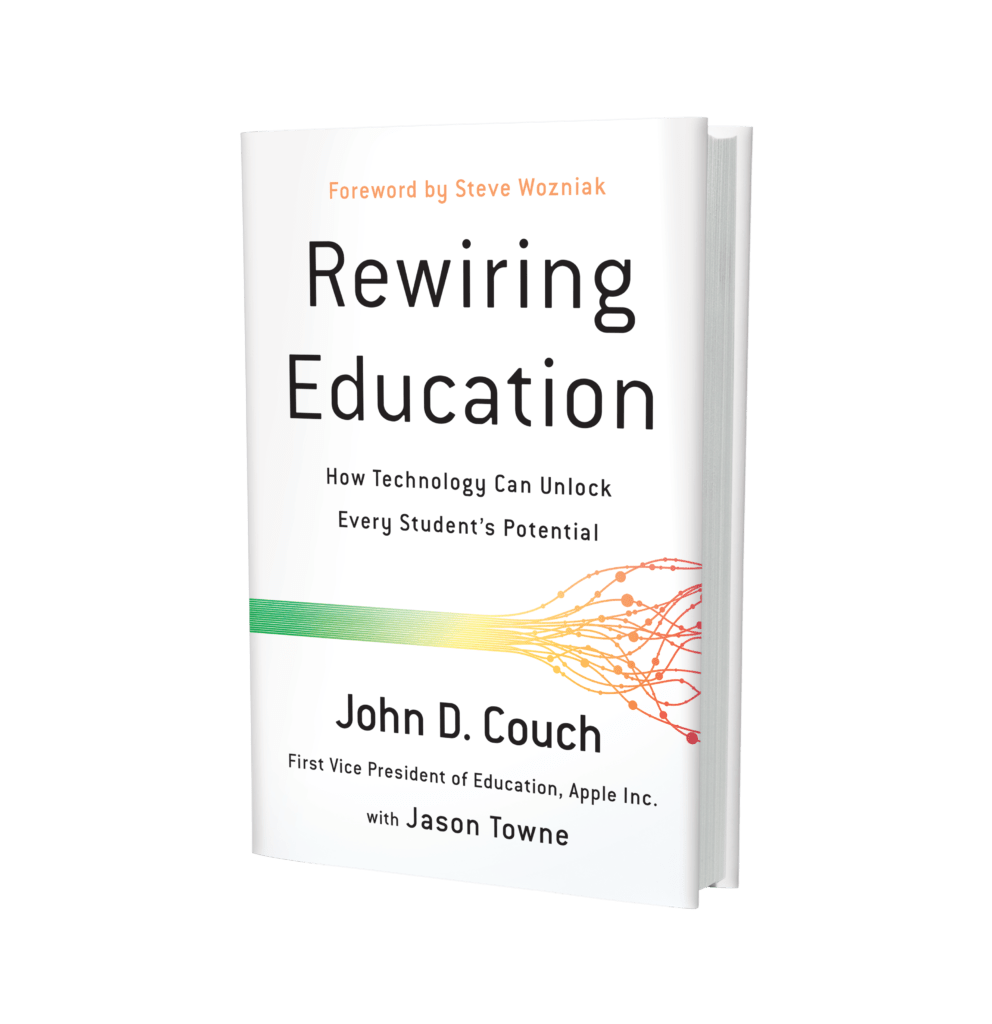
The one technology that could be used effectively in my classroom right now is an adaptive learning software linked to the previously mentioned CommonLit. Each text on CommonLit comes with five to six assessment questions all aligned to the appropriate Common Core reading standards. Currently, I can see how students perform on each question soContinue reading “Chapter 15 – Future technology in my classroom”
Chapter 11: Our school’s lack of a coding program.
As mentioned in question 7, access to technology and devices is extremely limited at our school due to local education regulations. As a result our school does not offer any sort of coding or computer program. My previous school, also under similar regulations, did offer AP Computer Science as an elective for grade 12 students.Continue reading “Chapter 11: Our school’s lack of a coding program.”
 The Keasy Depot