While learning styles may not be as important as many people believe, at least they’re out there. Much less known (at least I hadn’t heard of them until recently) are teaching styles. As educators, we often focus so much on our students we forget to self-reflect. “Know thyself” has been the first step towards bettermentContinue reading “What’s Your Teaching Style?”
Category Archives: Education Blog
Chapter 2: Digital literacy compared to fluency

What is the primary difference between literacy and fluency and why is it important to consider in regard to our children’s educational structuring? Literacy is knowing how to do something while fluency is being able to do that something automatically. I first encountered this idea in Stephen Krashen’s Principles and Practice in Second Language AcquisitionContinue reading “Chapter 2: Digital literacy compared to fluency”
Establishing Classroom Routines
Classroom routines are effective tools for classroom management. Routines comfort students by providing a stable environment where everyone knows the procedure. Routines also help teachers reduce discipline problems. Finally, routines have positive effects on student achievement. Repeated routines help students spend less time thinking about procedures so they can focus on the lesson’s content. RoutinesContinue reading “Establishing Classroom Routines”
Chapter 1: Demonstrating Preparedness
What must our children do to measurably demonstrate their preparation and readiness to leave school and go into the world to work, live and play? Before students do anything, society and educators need to clarify what skills are necessary to succeed in the real world. I have defined the skills that I think are theContinue reading “Chapter 1: Demonstrating Preparedness”
What Will You Do?
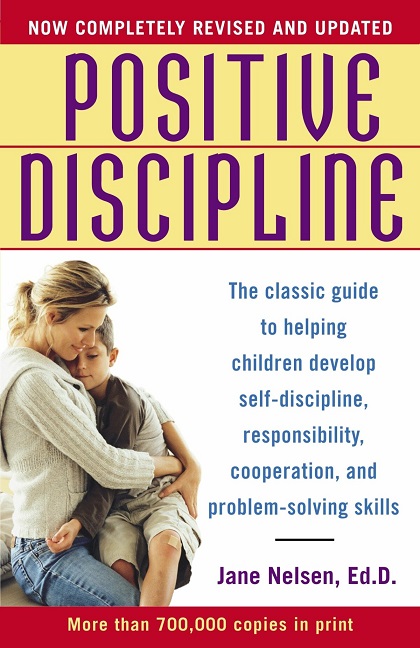
A tenet from Positive Discipline that has stuck with me is the advice to “Decide what you are going to do.” In the context of misbehavior, this means we should focus on how we will act and less on what we will make our children do. Like most aphorisms, this should be adapted toContinue reading “What Will You Do?”
Why Does he Need his Own Games?

My little guy turned 3 last month and for his birthday and Christmas he received a couple of board games. During the winter holiday, I used these new games as an opportunity to give him his own little game shelf. At first this was a simple bit of organizing and trying to keep him fromContinue reading “Why Does he Need his Own Games?”
A Toddler’s Game Shelf – Jan 2023

A birthday and Christmas have come and gone since I first wrote about the board games my young son plays. Now he has his own official collection and I am constantly on the hunt for good deals on good games. This is what he has on his shelf now. Some games we are able toContinue reading “A Toddler’s Game Shelf – Jan 2023”
Misbehavior: Mistaken Beliefs and Goals
As befitting a book entitled Positive Discipline, misbehavior is prominent. After all, there is little need for discipline if there is no misbehavior. What is misbehavior? This is not a spurious question. To paraphrase Justice Potter Stewart, is misbehavior something that is hard to define but we know it when we see it (maybe)? DoesContinue reading “Misbehavior: Mistaken Beliefs and Goals”
Some wisdom from Alfred Adler
Any sort of behavior changes should have some sort of scientific, moral, or ethical support. If not, people are just doing things to do thing and chaos ensues. Positive Discipline uses the second chapter to introduce some of the basic concepts that will help readers understand the practical applications. These concepts allow us to reflectContinue reading “Some wisdom from Alfred Adler”
The Four R’s of Punishment
Positive Discipline by Jane Nelsen, Ed. D is “The classic guide to helping children develop self-discipline, responsibility, cooperation, and problem-solving skills.” Everybody agrees that adults have the ability to help or hinder a child’s development. However, disagreements about discipline are common. Positive Discipline promotes a system of positive discipline (no surprises there). To do this,Continue reading “The Four R’s of Punishment”
 The Keasy Depot