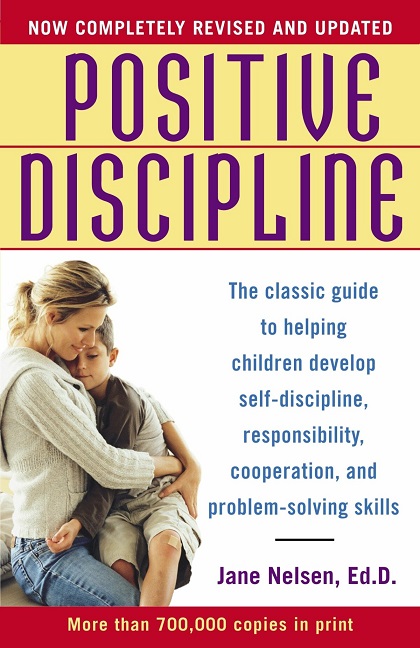
A tenet from Positive Discipline that has stuck with me is the advice to “Decide what you are going to do.” In the context of misbehavior, this means we should focus on how we will act and less on what we will make our children do. Like most aphorisms, this should be adapted to our situations and should always be in our minds for the future. So far, I have been able to implement “Decide what you are going to do” to varying degrees of success with my least favorite part of the day, evening teeth brushing.
The little goblin does not hate brushing his teeth. When he finally gets to the bathroom and is holding the toothbrush, he does a good job. However, getting him to the bathroom is difficult. We use a sand time or the clock and count down ten or fifteen minutes to prepare him for the transition, but he fights and argues to keep playing. Every evening for months I dreaded these few minutes. I used to plead, cajole, and argue with him to get into the bathroom. This only led to an escalation of tensions because we both were getting upset. I needed to be the responsible adult and find a solution.
After reading Positive Discipline I wanted to focus some of the book’s strategies on this one part of the day. Deciding what I would do in these situations seemed like the simplest strategy to employ. I decided that when he fights against toothbrushing, I would tell him, “Well, I am going to lay down and read. When you are ready to come read with me, I will help you brush your teeth and then we can read together.” He loves reading in bed and having his books read to him.
One thing I never say is, “If you don’t brush your teeth, we can’t read books” or “I’ll read to you if you brush nicely.” Both statements are too conditional. I want him to brush his teeth because it’s the right thing to do, not because he feels he might lose or gain my approval depending on his actions.
Now, what I do is tell him I’m going to read. I go lay down and read my book for a while. Thankfully, he is not a little hellraiser. He never pulls down a dozen toys or makes a huge mess while playing. Ninety percent of the time he continues playing with whatever he already has. But I don’t want him playing; I want him brushing his teeth.
In my experience so far, about half the time within fifteen minutes, he will make his way to the bathroom to brush. If after fifteen or so minutes he is still playing, I will get up and tell him it is time to go brush. Usually, he will come with me without too much hassle. Occasionally, he still will put up a fight. In these instances, I have already decided that I will pick him up to sit on the bed. Then I’ll brush his teeth for him while I read him a book. These bad evenings usually happen when he is overtired, and he will scream and cry. It is unfortunate but he calms down quickly then we read together.
This situation is not perfect. I don’t want to forcefully brush his teeth while he’s upset and tired. But overall, deciding early what I would do has been beneficial to our evening routines. I am less upset every evening. He is more cooperative. Together we get it done with less trouble.

 The Keasy Depot