As I’ve written, I like to play my board games with my two-year old. We don’t play the rules since he’s so young and can’t possibly understand what should be happening. Instead we use the games s toys and recently I have been trying to make our play times more developmentally appropriate for him. As he mentally develops, I need to find more complex ways to play with him. Luckily my mom was a Head Start educator her entire career; she knows early childhood education. My son and I were Facetiming her today as we “played” Splendor and she had the perfect suggestion how we can improve.
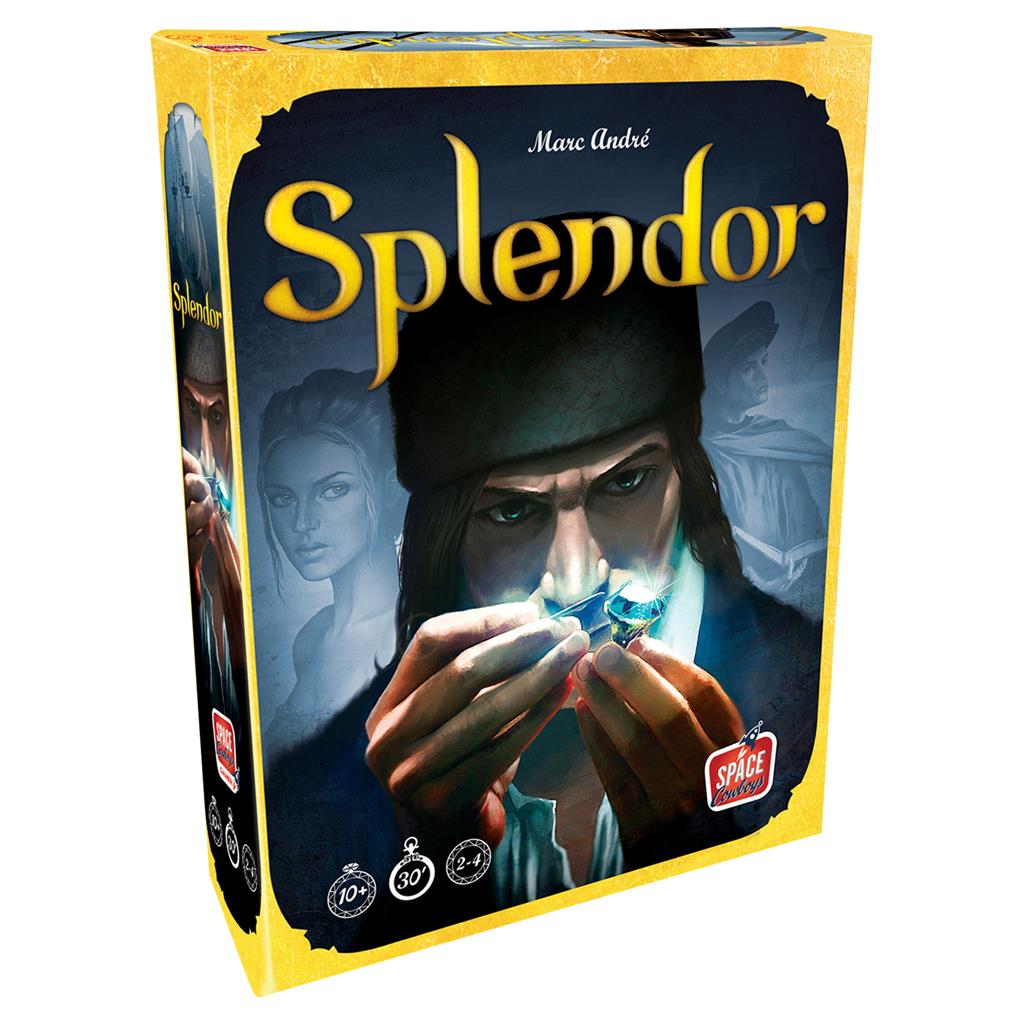
If you’ve never played Splendor, you are missing out. It’s great. The general premise is that players use various gems to buy mines, caravans, and towns represented by cards. These cards all have a certain cost in the lower left corner and produce the gem in the upper right corner. It’s an easy game to learn and is always fun to play.
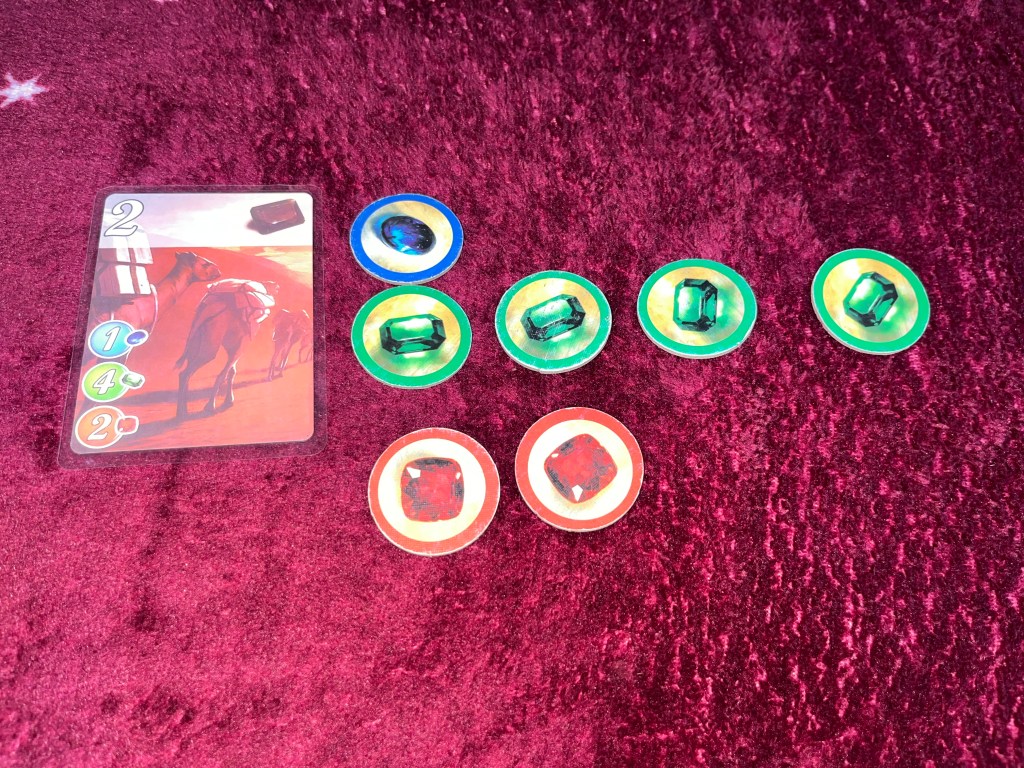
However when my son and I play Splendor we take turns drawing cards and laying out the gems needed to buy the card. It is a basic color and counting exercise. He can do it very well and when my mom watched us she told me we should incorporate comparative amounts into our games. Very simply, after laying out the gems I will ask if there are more/less green gems or more/less red gems. The idea is because he has already laid out the gems, he can easily compare the two colors.
We started these comparisons today and my son can easily see which color is more or less. He struggles with comparing the second most color and third most color. He always blurts out whichever color of the three is the complete most or least. We will keep practicing. After he is able to compare three amounts, I want to see how well we can link five laid out gems to the number 5 so he can start understanding that 5 is more than 2 without needing to count a set of objects.

 The Keasy Depot