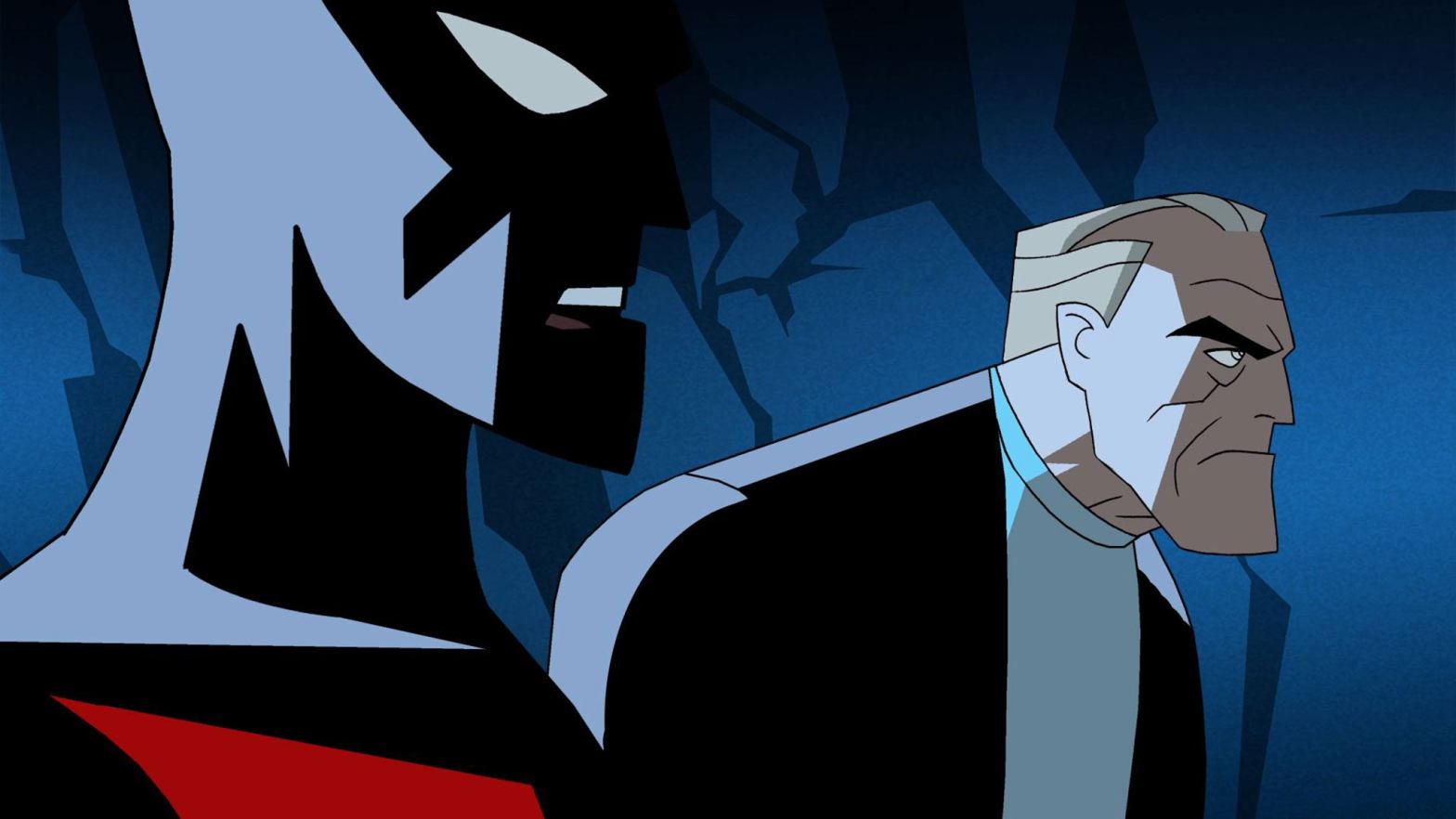
I remember turning up my nose to Batman Beyond when it was originally released. I like to think that was because I was annoyed it wasn’t Batman: The Animated Series and the amazing “dark deco” design. Was I such a discerning consumer with impeccable tastes in television? Doubtful. Looking back, Batman: TAS hit with me because I was 8 when it was released and Batman Beyond came out when I was a young teenager thinking I was too cool for cartoons. Whatever the reason, now that I’m revisiting Batman Beyond in my 30s thanks to Batrankings (which I absolutely love), I am really enjoying it. The show is far better than I remember. It oozes late-90s cyberpunk vibes with the music and visuals. The relationship between Bruce Wayne and his protégé, Terry McGinnis, is just as good as any relationships in Batman: TAS. Everything about the first few episodes I’ve rewatched shows me I am not wasting my time tuning into a twenty-year-old cartoon.
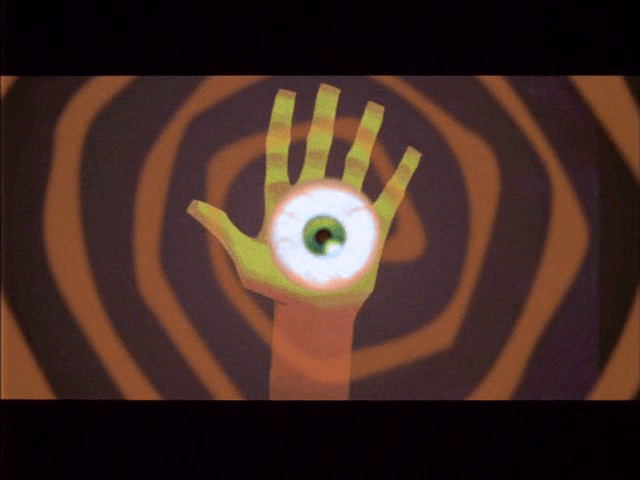
The episode intros look and sound like something you’d find in a KMFDM music video. KMFDM is known for their hyperstylized album art and sound which Batman Beyond emulates. The producers leaned heavily into the 90s’ love of industrial metal. The Matrix, what I would claim was the biggest piece of cyberpunk media in the 1990s, featured music from Ministry, Rammstein, and Marilyn Manson, all huge industrial acts in their day.
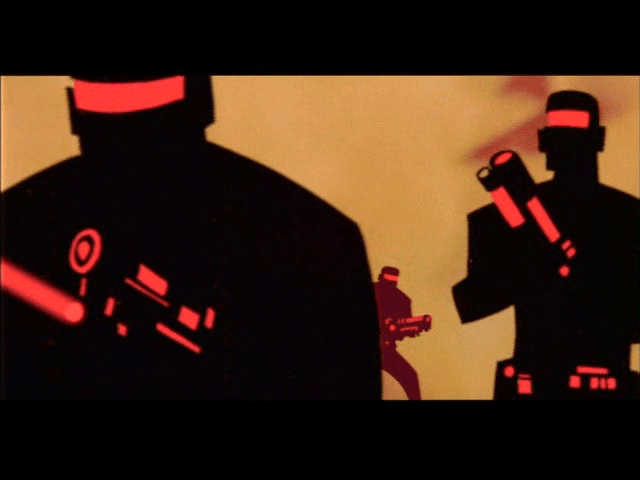
The cyberpunk tropes come in more substantial ways as well. Cyberpunk did not create the idea of ultrapowerful corporations hiring goons to attack their competition, but it is one of the fundamental ideas of the genre. Skyscrapers and flying cars dominate Gotham. Giant advertisements remind one of Blade Runner. Body modification like in Shadowrun has always been in the arsenals of Batman’s enemies. And of course, it is impossible to represent 80s’ or 90s’ cyberpunk without acknowledging the surging Japanese economy, most often through random kanji signs. There are a handful of those throughout the show.
Theme and setting are nothing more than pretty window dressing if they do not contain something more substantial. The entire premise of Batman Beyond revolves around elderly Bruce Wayne being too feeble to be Batman but Gotham still needs a hero. Bruce finds a local high-school student, Terry McGinnis, who becomes Batman 2.0 through a series of unfortunate events. Bruce, voiced again by Kevin Conroy, is a grumpy and bitter old man. He has no friends, no family, not even Alfred who would have passed away decades prior. The show does a good job showing the slow progression of Bruce and Terry learning to trust and enjoy each other. The relationship is not rushed or sappy. No matter how well Terry performs, Bruce is always critical. He seems to have no concern that Terry is his own person with his own concerns. Terry often seems to stick with Bruce simply because he wants to play with all the cool gadgets in the Batcave. But slowly, they both appreciate each other in their own small ways without giving the other the satisfaction of dominating the relationship.
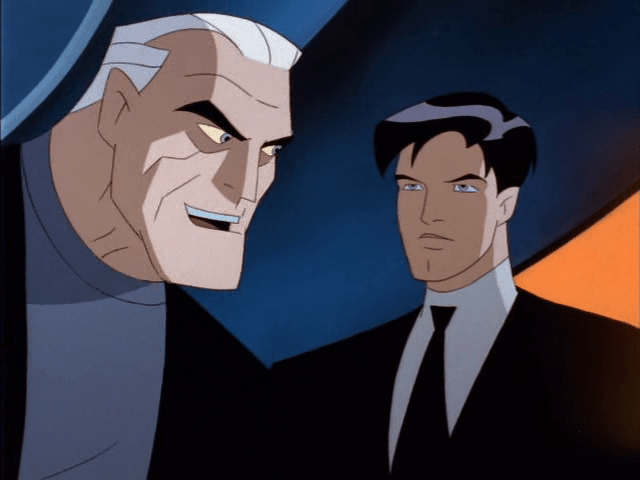
I now think I did not previously appreciate Batman Beyond because I did not appreciate cyberpunk. Even The Matrix, which I loved the day I saw it, did not endear me to the genre. It took a few more years until I was in college when I first borrowed Nueromancer from the library that I truly enjoyed cyberpunk. Now, cyberpunk from the 80s and 90s is one of my favorite genres and Batman Beyond is a good entry into the canon.

 The Keasy Depot