“I neither know nor think that I know” is attributed to Socrates and often used as a pithy cliche to demonstrate one’s wisdom and critical thinking. Cliches get a bad rap. Cliches are cliched for a reason; there is always an element of truth.
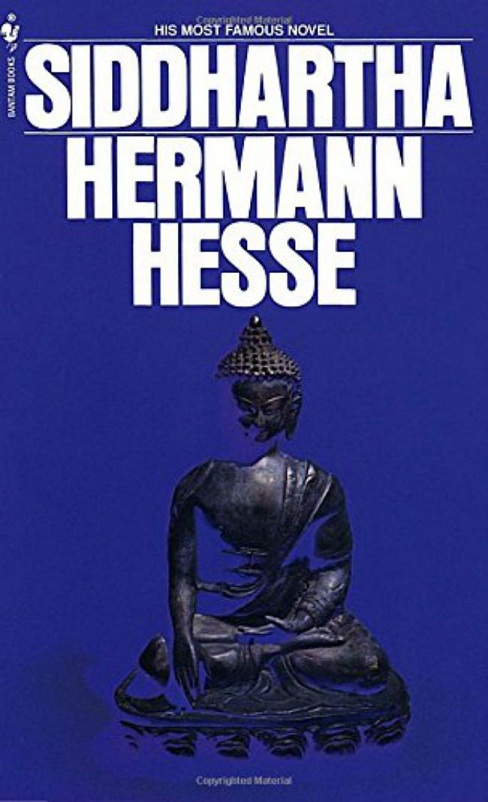
I don’t consider myself particularly clever or intelligent. I simply enjoy reading and have a long train commute that affords me time to think and reflect in peace. And recently as I was thinking about Herman Hesse’s Siddhartha, I thought of knowing nothing and learning anything. It does not help that I am approximately halfway through reading Thinking Fast and Slow by Daniel Kahneman which is doing a great job persuading me that my brain is untrustworthy and constantly try to trick me.
Many people have written about Siddhartha as it relates to Indian philosophy and religion. I am not completely ignorant of Indian philosophy. I have read the Upanishads and spent my commute thinking about some of the more striking Vedas. I am currently catching up and listening to Peter Adamson (he has a great podcast voice) review Indian philosophy. But I know I do not know enough to relate Siddhartha to Indian beliefs. Instead, I found comfort in the character Siddhartha’s willingness to admit he did not know something, then go out and learn.
Siddhartha has many teachers: his friend, his father, poverty seeking ascetics, the Buddha, the courtesan mother of his son, a businessman, drunks and gamblers, a ferryman, and finally his own son. Each enter and exit his life at various times and each teaches something new. He is willing to learn from anyone, a humble characteristic we should all want to emulate.
As Siddhartha learns, he understands. This may seem counter to Socrates’ ideas, but it actually aligns well. Siddhartha learns that what he knew as a young man was not everything.
The surety of youth is a block of stone. “This is how the world is and the other stones in different shapes are evil or stupid.” As the abrasions of life buffet our beliefs, our stone is slowly shaped into something unrecognizable by younger us. How we react to this change demonstrates our wisdom or our foolishness. The wise realize everyone has been facing the vicissitudes of life and others are often not wrong, they just are. The foolish cleave to their new beliefs as surely as they cleaved to their old beliefs.
I see a little of myself in Siddhartha. I was foolish enough to believe the world was a certain way in my teens. I continued being foolish through my twenties about the state of things. And now in my thirties I have all sorts of ideas that I will consider foolish in my forties.
And while I have not found enlightenment like Siddhartha, I have found a measure of peace and understanding. I am and they are.

 The Keasy Depot